
Blog / Literacy
Unlocking Kids’ Potential: Early Literacy




Written by Scott Sharp
Exposure to Literacy from an Early Age
The growth of our brain has less to do with genetics than previously thought, and more to do with early experiences (McCain & Mustard, 1999). Exposure to literacies in the early years is a strong predictor of literacy success in later years. Through early literacy, children can develop language skills, improved cognitive ability, critical thinking skills, and enhanced social-emotional behaviour. Early literacy also helps to promote a love for reading that can last a lifetime.
Develop Literacy Skills
Reading aloud to young children is one of the most important steps in developing early literacy. Books can be used as conversation starters about emotions and everyday experiences that help children make sense of their world. Nursery rhymes help to introduce children to rhythm and rhyme which will strengthen their phonological awareness skills as they get older. Bedtime stories provide calming moments at the end of the day while reinforcing values like kindness or resilience in a fun way.
Reading books, nursery rhymes, and telling bedtime stories are just some of the ways that parents can contribute to their child’s early literacy development. We’ve compiled a list of easy ways you can help develop these pre-reading skills and set your child up for success!
Improving Vocabulary and Sound Knowledge
- Have available reading and writing materials available at home.
- Read bedtime stories. Talk about pictures that your child points to. ‘That’s a big red fire truck’.
- Tell your child made up stories or stories from when you were younger.
- Keep a collection of books in the car. Take one with you to read with your child while waiting for appointments or on the bus.
- Name items when you’re out and about and ask, ‘What’s this?’
- Talk aloud about what you’re doing as you do it. ‘Let’s feed the dog’, ‘Down the steps we go’ or ‘The egg goes in the pan’.
- Take field trips to new places such as the florist, beach, bookstore, park.
- Talk about sounds animals make.
- Play ‘I spy’. ‘I spy something staring with…’
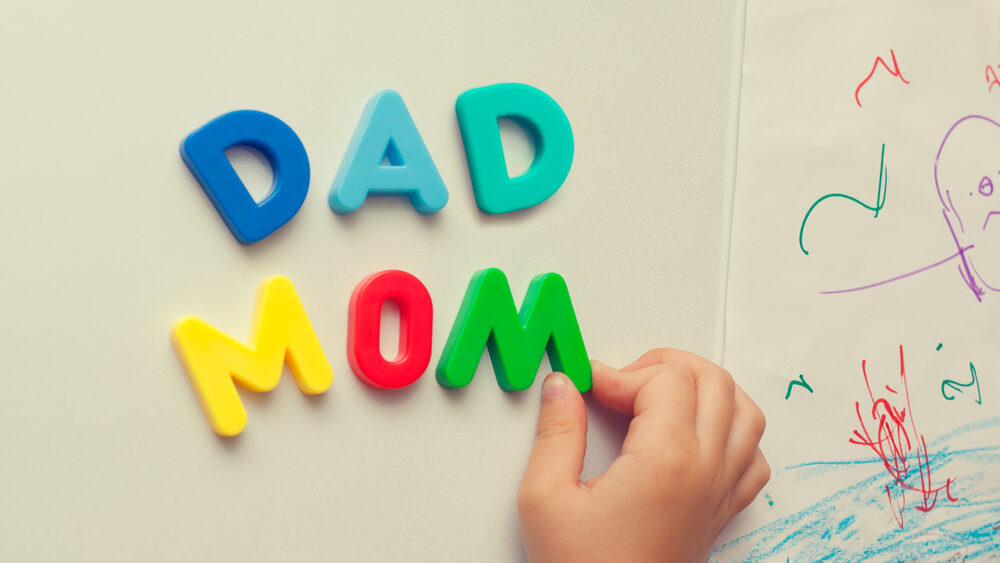
- Stick magnetic letters on the fridge. Order the letters, spell out names and make sight words.

- Connect themes in books with the child’s own experiences. ‘That was like when Grandma came to stay’ or ‘They are going to the park. What is your favourite thing to do at the park?’
- Sing nursery rhymes.
- Sing bedtime songs.
- Follow the words with your finger to show your child the left to right reading direction and that each printed word has meaning.
- Reading rhyming books and point out the similar sounds.
- Point out examples of alliteration in books, on signs or general conversation.
- Play word games with rhyming words. ‘Let’s see how many words we can think of that rhyme with cat’.
Developing early literacy in children is essential for the formation of a strong foundation for learning. Incorporating reading, song, and rich discussions into daily activities can help foster a love of learning in children from an early age. If we can create an environment that encourages communication and critical thinking skills, we can ensure that young minds are given the opportunity to reach their full potential.

Join our mailing list, follow us on Facebook and subscribe to our YouTube Channel to stay up to date with new teaching resources.
Related articles
Teaching and Learning Videos
The ways in which students access learning content has expanded. Our YouTube channel aims to make teaching more efficient and learning easier.
Read More
How to Ask Questions that Enhance Kids’ Reading
Why do we read? Perhaps it’s a simple question, but it’s one that many children can’t answer.
Read More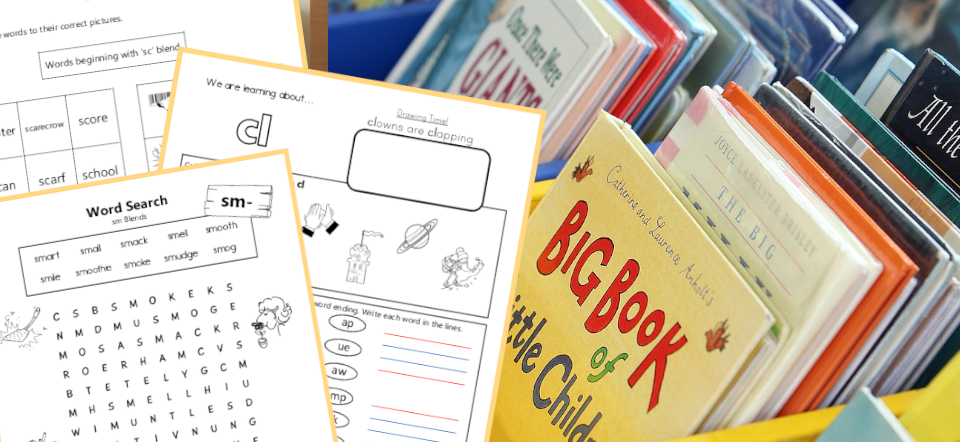
Free Letter Blends Worksheets: Targeting Phonics
Learn about blends & digraphs and browse a collection of free blends worksheets.
Read More

